


No products in the cart.
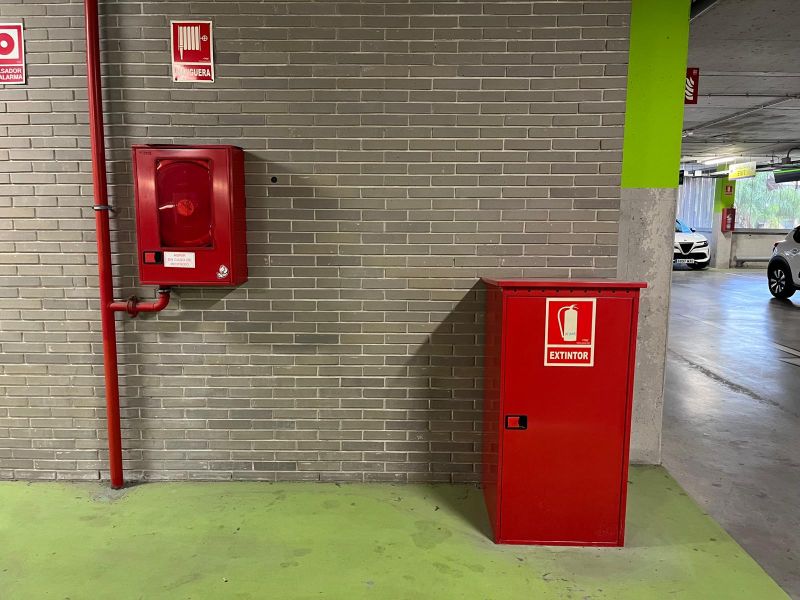
What is the proper way to store fire extinguishers is a critical question for facility managers responsible for building safety compliance. Fire extinguishers must be clearly visible, easily accessible, and properly protected against damage while meeting strict regulatory requirements. Understanding proper storage methods ensures your fire safety equipment remains functional and compliant with safety standards.
Table of Contents
- Basic Fire Extinguisher Storage Requirements
- Proper Mounting Height Specifications
- Strategic Location and Placement Guidelines
- Fire Extinguisher Cabinet and Protection Options
- Regulatory Compliance Standards
- Maintenance and Accessibility Requirements
- Common Storage Mistakes to Avoid
Basic Fire Extinguisher Storage Requirements
What is the proper way to store fire extinguishers begins with understanding fundamental storage principles. Fire extinguishers require specific conditions to maintain their effectiveness and ensure immediate access during emergencies across all jurisdictions.
Essential Storage Conditions
Fire extinguishers must be stored in environments that protect them from extreme temperatures, moisture, and physical damage. The storage area should maintain temperatures between -30°C and +60°C (-22°F to 140°F) according to European EN3 standards which apply across EU countries including Germany, Netherlands, Italy, and Spain.
- Temperature control: Avoid areas with extreme temperature fluctuations
- Moisture protection: Prevent exposure to high humidity or water damage
- Physical security: Protect against vandalism and accidental damage
- Chemical compatibility: Store away from corrosive substances
Proper Mounting Height Specifications
Fire extinguisher cabinet requirements include specific mounting height standards for optimal accessibility. International standards recommend mounting fire extinguishers between 0.8m and 1.2m (2.6 to 3.9 feet) above floor level for optimal access.
| Region/Standard | Recommended Height Range | Travel Distance |
|---|---|---|
| UK (BS 5306) | 0.8m - 1.2m handle height | Maximum 30m travel distance |
| EU (EN3 Standard) | 0.8m - 1.2m handle height | Varies by national regulations |
| Germany (DIN 14406) | 0.8m - 1.2m handle height | Maximum 20m for Class A fires |
| Netherlands/Italy/Spain | EN3 compliance required | National building codes apply |
European Accessibility Standards
When determining proper fire extinguisher mounting height, European accessibility standards ensure fire extinguishers remain accessible to all users including those with mobility limitations. The 0.8m to 1.2m range provides optimal balance between accessibility and visibility.
Strategic Location and Placement Guidelines
Understanding what is the proper way to store fire extinguishers requires strategic placement planning. Fire extinguishers should be positioned in high-traffic areas with clear visibility and unobstructed access.
Optimal Placement Locations
- Primary evacuation routes: Near exits and main corridors
- Stairwell entrances: At entry points to vertical escape routes
- Corridor intersections: At junction points of major pathways
- High-risk areas: Near kitchens, electrical panels, and mechanical rooms
- Building entrances: Accessible from main entry points
Travel Distance Requirements
Fire extinguishers must be positioned to ensure maximum travel distances comply with regional building codes. In the UK, BS 5306 standards specify a maximum travel distance of 30 metres to the appropriate extinguisher, while Germany typically requires maximum 20m travel distance for Class A fires. European standards vary by country but generally follow similar accessibility principles.
Fire Extinguisher Cabinet and Protection Options
Fire extinguisher protection covers and cabinets provide essential protection while maintaining accessibility. Modern fire furniture solutions offer both functional protection and aesthetic integration.
Cabinet Types and Benefits
- Full cabinets: Complete protection with instant verification systems

- Partial covers: Weather protection while maintaining visibility

- Wall-mounted solutions: Space-efficient with secure mounting

- Floor-standing options: Flexible placement with ballasted bases

Professional fire extinguisher cabinet requirements include features like photoluminescent signage for dark visibility, secure mounting systems, and easy-access opening mechanisms. Quality cabinets protect against vandalism, weather damage, and accidental impacts while ensuring regulatory compliance.
Design Integration Solutions
Modern fire furniture offers customizable finishes and colors to integrate seamlessly with building aesthetics. What is the proper way to store fire extinguishers now includes design considerations that balance safety requirements with architectural harmony.
Regulatory Compliance Standards
Fire extinguisher storage regulations vary across international markets but generally follow established safety frameworks. Key regulatory standards include:
- UK: BS 5306 standards for fire extinguisher installations and maintenance
- European Union: EN3 standards covering Germany, Netherlands, Italy, Spain
- Germany: DIN 14406 additional national requirements
- Netherlands: NPR 1095 national fire safety guidelines
- International: ISO standards for global compliance
Inspection and Maintenance Requirements
European regulations typically require:
- Monthly visual inspections: Check pressure indicators and general condition
- Annual professional maintenance: Comprehensive servicing by certified technicians
- Extended internal examination: Detailed inspection requirements vary by country
- Pressure testing: Hydrostatic testing intervals according to national codes
Maintenance and Accessibility Requirements
Understanding what is the proper way to store fire extinguishers includes ensuring maintenance accessibility. Storage solutions must allow for regular inspections, servicing, and quick removal during emergencies.
Accessibility Features
Professional storage solutions incorporate user-friendly access mechanisms like pivot linkage systems, lift-and-place covers, and magnetic closure systems. These features ensure quick extinguisher retrieval while maintaining secure storage.
Common Storage Mistakes to Avoid
Facility managers should avoid these common storage errors when implementing fire extinguisher storage regulations:
- Blocked access: Placing obstacles in front of extinguishers
- Poor visibility: Inadequate signage or lighting
- Incorrect mounting: Improper height or unsecure installation
- Environmental exposure: Placement in areas with extreme conditions
- Inadequate protection: Leaving extinguishers vulnerable to damage
Conclusion
What is the proper way to store fire extinguishers encompasses multiple critical factors including strategic placement, proper mounting height, environmental protection, and regulatory compliance. Effective fire extinguisher storage requires balancing accessibility with protection, ensuring your safety equipment remains functional and easily accessible during emergencies.
Professional fire furniture solutions provide comprehensive storage options that meet regulatory requirements while integrating seamlessly with modern building designs. From full cabinets with advanced opening systems to elegant protective covers, quality storage solutions protect your investment while enhancing building safety.
Ready to upgrade your fire extinguisher storage? Explore our complete range of professional fire furniture solutions designed for optimal safety, compliance, and aesthetic integration. Contact our experts today to find the perfect storage solution for your facility's specific needs.
Leave a comment


